Soccer Cut Files: A Designer's Real-Use Review
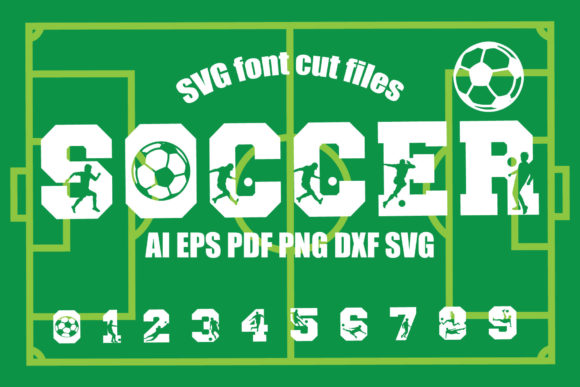
When a new set of Soccer Cut Files lands on my desk, I don't just glance at the preview and move on. I think about how the shapes will translate into thread, fabric, and finished products that real people will wear, gift, or sell. This particular set caught my attention because it combines two things small business owners constantly ask for: a full alphabet and a full number set, all themed around soccer. Right away, that tells me this is not just a decorative accent. It's a design asset meant to build entire names, jersey numbers, team slogans, and personalized pieces.
First Impressions and Visual Personality
The mood of these Soccer Cut Files is sporty, clean, and instantly recognizable. The letterforms and numbers have that classic soccer aesthetic, bold enough to read clearly from a distance but detailed enough to feel intentional up close. I can already picture them stitched onto a child's backpack, a fan tote bag, or a cozy sweatshirt for game day. The shapes feel balanced, which matters a lot when you're planning an embroidery project where every letter needs to sit evenly next to the others.
What I appreciate most is the separation of files. Each letter and number stands alone, so you're not locked into a single layout. For a craft business owner who takes custom orders, that flexibility is gold. You can spell out a last name, a team name, a player number, or even a short motivational phrase without wrestling with a locked design grid.
Where These Cut Files Shine in Embroidery Work
Let's talk about real use. Yesterday I was planning a batch of personalized tote bags for a local youth soccer league. The order needed twelve different names and numbers, all matching in style but unique in content. I pulled up the Soccer Cut Files and started testing a few letters in my digitizing software. The SVG files imported cleanly, and the outlines were crisp enough to use as a base for applique design work or to convert into satin stitch lettering.
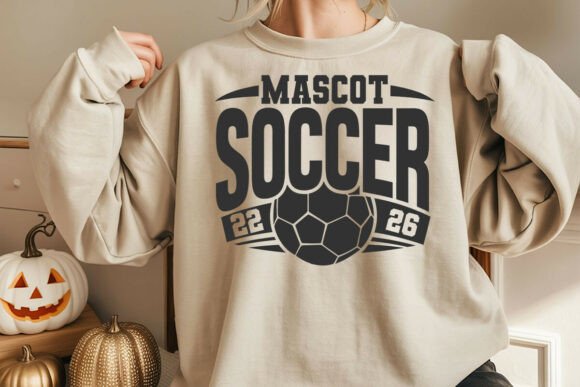
For custom apparel, these files make a lot of sense. The bold shapes work well on sweatshirts, t-shirts, and jerseys where the embroidery needs to hold its own against textured fabric. I've also mentally bookmarked these for embroidered patch projects. The letterforms are thick enough to support a nice fill stitch without becoming dense and uncomfortable to wear. Patches made from these designs would look fantastic on caps, jackets, and gear bags.
Another strong use case is baby embroidery and nursery decor. Soccer-themed baby gifts are surprisingly popular, and a soft blanket with a baby's name and birth number stitched in these letters would feel polished and personal. The same goes for holiday embroidery gifts. A kitchen towel with a family name using these sporty characters adds a personal touch that doesn't feel overly formal.
Fabric and Surface Considerations
Not every fabric welcomes every design, and I've learned that the hard way. With these Soccer Cut Files, the letter shapes are straightforward enough to work on most medium-weight fabrics, but I would pause before using them on thin fabric or highly stretchy fabric without serious reinforcement. The letters have defined corners and straight edges that need a stable surface to stitch cleanly. On a lightweight t-shirt, you'll want a good stabilizer underneath to prevent shifting and puckering.
For dark fabric, these designs will pop beautifully with contrasting thread colors. I always recommend testing your thread choice on a scrap of the actual fabric first. A white or bright yellow thread on navy or black cotton creates exactly the kind of contrast that makes custom embroidery look professional. On textured fabrics like terry cloth or fleece, the slightly bolder letterforms help maintain readability, but you may need to increase the stitch size slightly to compensate for the fabric pile.
If you're working on curved surfaces like caps, be mindful of the wider letters. Letters like M or W might need a bit of resizing or a curved baseline adjustment to sit naturally on a cap front. I've made the mistake of assuming a flat design would curve perfectly, and it's always worth a test run on a similar cap before committing to the final product.
Small Business and Etsy Seller Perspective
From a seller's viewpoint, the Soccer Cut Files offer a lot of product potential. The sports market never really slows down, and soccer has a global appeal that crosses age groups and seasons. I can see these files being used to create personalized gifts for birthdays, team celebrations, end-of-season coach gifts, and tournament souvenirs. A set of embroidered pillow covers with a child's name and jersey number would make a fantastic bedroom accent for a young athlete.
For Etsy sellers and small shop products, the commercial viability depends on how you package the finished product. A simple embroidered name on a tote bag becomes a premium item when the lettering looks intentional and crisp. These files help achieve that because the letterforms are designed with a cohesive theme. Buyers respond to consistency, and when every letter in a name shares the same visual weight and style, it builds customer trust and makes the product look more expensive than it actually is.
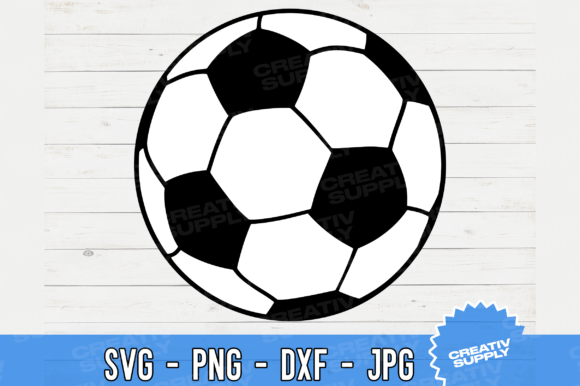
I also want to mention printable mockups and digital product previews. The PNG and PDF file types included in the set are useful for creating listing photos, mockups, and client proofs before you ever thread a needle. Showing a customer a clean digital preview of their personalized item often seals the sale faster than describing it in words.
Practical Embroidery Designer Notes
Before you transfer these files to your embroidery machine, there are a few practical steps I always recommend. First, test the design on scrap fabric. This is non-negotiable. Even if the file looks perfect on screen, the way your machine handles the stitch path can vary. Run a test stitch of a single letter, check the tension, and adjust your thread colors before starting a full project.
Second, pay attention to stitch density. If you're converting these cut files into embroidery, the default settings in your digitizing software might make the letters too dense or too sparse. Dense letters on lightweight fabric can cause puckering, while sparse fill can look unfinished. Aim for a density that covers the fabric without making the embroidery feel stiff. For satin stitch lettering, the narrower sections of certain letters might need a slightly adjusted stitch angle to keep the edges clean.
Third, check your hoop size. While individual letters fit comfortably in a standard 4x4 hoop, a full name or a number with a decorative border might require a larger hoop. Map out your longest text string before starting, and make sure your hoop can accommodate the entire design in one pass if you want to avoid re-hooping midway through.
Fourth, I strongly suggest testing the design in black and white. Stripping away color lets you focus purely on the shapes and proportions. If a letter looks awkward or unbalanced in grayscale, it will still look awkward in full color embroidery. This is a quick way to catch issues before investing time and materials.
Finally, compare how the design looks on light and dark fabric backgrounds. A letter that reads beautifully on white canvas might lose its edge definition on charcoal fleece. Thread color choice and stitch border thickness can help compensate, but you need to see the difference firsthand to make informed decisions.
Licensing and Commercial Use Awareness
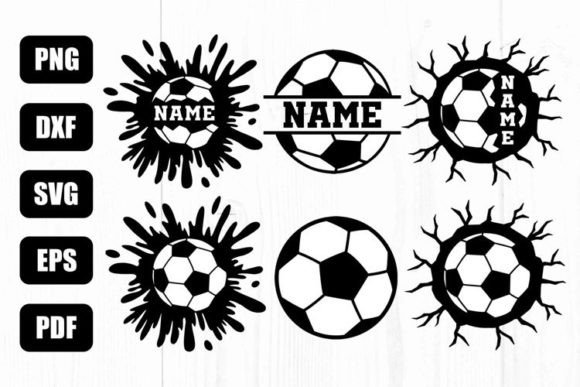
One area where I always advise caution is licensing. The product description mentions the file types provided, SVG, DFX, EPS, PNG, and PDF, along with two bonus files, but it does not explicitly state the commercial license terms. Before you sell finished products featuring these designs, confirm that commercial use is allowed. Most crafters and small business owners intend to use files like these for commercial embroidery and handmade product sales, but assuming permission without checking is a risk you don't want to take with your business.
The same applies if you plan to sell digital embroidery files derived from these cut files. The original artwork belongs to the creator, and redistributing modified versions may not be permitted. Take a moment to read the included documentation or reach out to the seller for clarity on what you can and cannot do with the finished products. It's a small step that protects your craft business in the long run.
Creative Possibilities Beyond the Obvious
While the straightforward use is personalization, I've found that Soccer Cut Files like these can stretch further creatively. Combine the letters with simple geometric shapes to create team logos. Use the numbers as standalone design elements on zipper pouches or key fobs. Pair a single initial with a small soccer ball motif for a minimalist cap design. The separated file format means you can mix and match, scale, and rotate without being constrained by a pre-arranged composition.
For holiday gifts, these files work beautifully on stockings, tree skirts, and gift tags. For wedding gifts, a set of embroidered hand towels with the couple's shared last name and wedding date using these sporty numbers adds a personal layer that feels both celebratory and unique. The versatility is in the simplicity of the letterforms themselves.
I also appreciate the bonus files included in the set. While I haven't seen them firsthand, bonus content often contains complementary designs or alternate layouts that can expand the usefulness of the main set. For a digital product seller, those extras can become the foundation for entirely new product listings.
Final Thoughts Before You Start Stitching
After spending time with the Soccer Cut Files, I can say they earn their place in a working designer's toolkit. They are not overly complex, which is a strength for embroidery where clean, readable stitching matters more than intricate detail that gets lost in thread. The soccer theme is specific enough to be marketable but broad enough to adapt to different products and audiences.
For the experienced embroiderer, these files provide a reliable starting point for personalized projects. For the small business owner, they offer a way to expand a product line without designing from scratch. For the hobbyist maker, they simplify the process of creating thoughtful, customized gifts that look professional.
My advice is to treat these files as a foundation. Test them on your preferred fabrics, experiment with thread textures, and find the combination that makes your finished product stand out. The design quality is there. The practical application depends on the care you put into the stitching process itself. With good stabilizer, thoughtful thread choices, and a bit of testing, these Soccer Cut Files can absolutely become a reliable part of your embroidery workflow.